8 Activities to Reinforce ABA Therapy Skills
Introduction There’s something magical about the everyday moments at home — the sound of crayons…
Introduction
There’s something magical about the everyday moments at home — the sound of crayons sliding across paper, the rhythm of snack time, the giggles during a made-up game that makes absolutely no sense but somehow means everything. For families with children in ABA therapy, these simple moments are more than cute memories. They’re powerful opportunities to reinforce learning without feeling like you’re “doing therapy.” Think of it this way: ABA skills don’t just grow during a session. They bloom in the in-between — the playroom, the kitchen, the backyard, the grocery store, even the car ride to grandma’s. The trick is knowing how to turn regular routines into supportive learning experiences that feel natural, not forced. Today we’re diving into eight warm-hearted, everyday activities that help children strengthen the skills they’re building in ABA therapy. Each one is simple. Each one is fun. And each one gives families a chance to support growth in a way that feels like real life — because it is.Why Home Activities Matter in ABA Therapy
Home is where children feel most comfortable, most expressive, and most themselves. That’s why reinforcing ABA skills outside therapy sessions makes such a big difference. It’s not about doing more “work.” It’s about giving children more chances to practice communication, patience, problem-solving, and independence in real-world settings. These activities encourage:- More natural learning
- More confidence
- More connection
- More opportunities for progress
Activity 1: Pretend Play Adventures
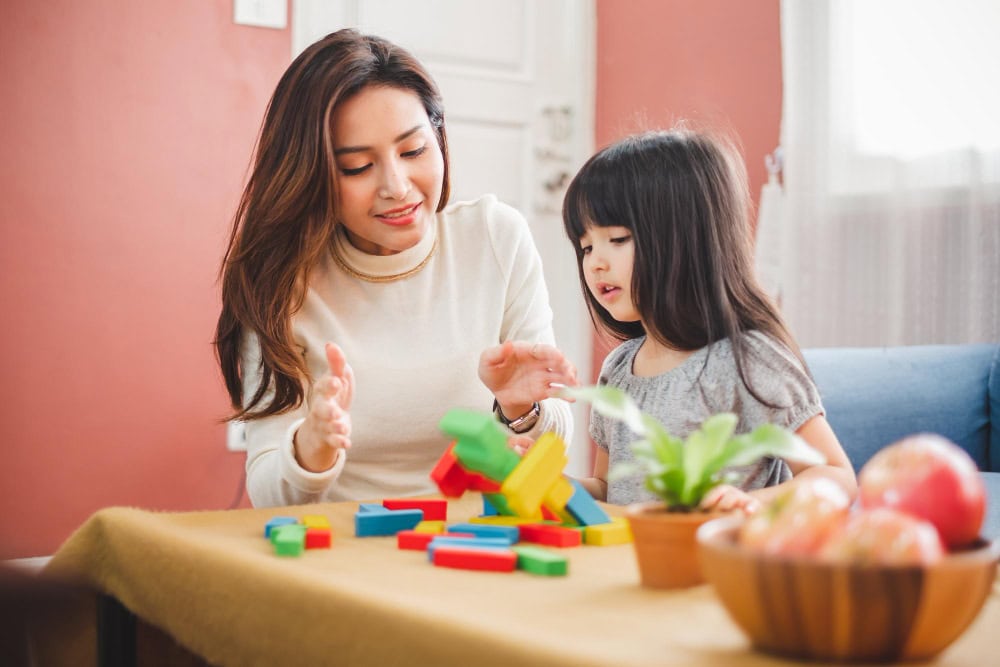
Pretend play is one of the most natural ways to build communication, social skills, imitation, and imagination. Picture your child as the chef of a busy restaurant, or a doctor treating stuffed-animal patients, or a superhero saving the living room from a suspicious pile of pillows. You can take the lead or let your child guide you. Either way, keep it playful and flexible — early communication skills grow beautifully when kids feel like the moment belongs to them. Why it works: Pretend play encourages problem-solving, expressive language, shared attention, and turn-taking. It’s social practice wrapped in creativity.Activity 2: Snack-Time Choices
Snack time is secretly one of the best teaching tools ever invented. Offering simple choices helps children practice communication, decision-making, and requesting. Picture yourself holding up two snacks and asking, “Do you want apples or crackers?” Suddenly, this tiny moment becomes an opportunity to reinforce labeling, pointing, eye contact, or even AAC responses. You can expand the interaction naturally: “You chose crackers! Crunchy or soft? One or two? More or all done?” These micro-conversations add up, and children often enjoy the sense of control and independence that comes with making choices. Why it works: Snack time involves motivation — and motivation is pure gold for learning.Activity 3: Sorting Games Around the House
Sorting is a classic ABA-friendly skill builder because it supports matching, organization, attention to detail, and early problem-solving. And the best part? Your house is already full of things that can be sorted. Think:- Laundry
- Toys
- Buttons
- Legos
- Fruits and veggies
- Socks (which somehow always lose their partners)
Activity 4: Movement Games and Simple Obstacle Courses
Kids naturally love to move. Using that energy intentionally can help reinforce following directions, motor planning, sequencing, and patience. You don’t need a gym. You just need furniture, pillows, or even chalk outside. Create a simple path: step over a cushion, crawl under a table, hop twice, then clap your hands. Suddenly, your living room is a training ground for both coordination and communication. This works beautifully for practicing multi-step directions, and it feels less like “practice” and more like “fun chaos with a purpose.” Why it works: Movement helps children engage their whole bodies while practicing ABA skills in a highly motivating environment.Activity 5: Story Time with Interaction
Reading together is a warm, cozy way to reinforce ABA skills without any pressure. Choose a book your child loves and turn it into a conversation instead of a performance. Pause and ask: “What do you think will happen next?” “Where is the dog?” “Should the character go left or right?” Sometimes, even pointing to pictures or turning pages counts as meaningful engagement. And if your child loves reading the same book over and over — perfect. Repetition builds confidence. Why it works: Story time improves attention, language, emotional understanding, and early literacy skills.Activity 6: Music and Rhythm Time
Music is deeply motivating for many children. Singing and rhythm games help build imitation skills, joint attention, and expressive communication. Try clapping patterns for your child to copy. Sing short, predictable songs like “Wheels on the Bus.” Hand them a simple instrument and take turns making sounds. If you’re feeling creative, make your own “band” using pots, wooden spoons, and a little courage. Why it works: Music supports language development, emotional expression, and social engagement — all while being fun and energizing.Activity 7: Visual Schedules for Daily Routines
Visual schedules might sound structured, but don’t worry — they can be simple, playful, and very kid-friendly. They help children understand what’s happening next, reduce anxiety, and encourage independence. You can use drawings, printed icons, or even photos from your phone. A simple morning routine might look like this:| Step | Visual Support | Skill Reinforced |
| Brush teeth | Toothbrush picture | Independence |
| Get dressed | Shirt and pants icon | Sequencing |
| Eat breakfast | Bowl of cereal image | Routine following |
| Pack bag | Backpack photo | Responsibility |
Activity 8: Nature Walks and Outdoor Exploration
Fresh air + curiosity = a perfect learning environment. On a walk, everything becomes a teaching moment: birds, leaves, cars, colors, sounds, textures. Try simple interactions: “Can you find something soft?” “Let’s count how many red cars we see.” “Do you hear that bird? Where is it?” Nature encourages curiosity, and children naturally practice observation, communication, and engagement in a relaxed, sensory-rich environment. Why it works: Outdoor exploration strengthens sensory awareness, attention, descriptive language, and emotional regulation.Frequently Asked Questions (Integrated Naturally)
How do I reinforce ABA skills at home?
You don’t need formal sessions or special materials. Use daily routines — meals, playtime, chores, outings — as opportunities to practice communication, flexibility, imitation, and independence.What activities help with ABA goals?
Activities like pretend play, sorting, movement games, and nature walks reinforce key skills in ways that feel fun and organic.Does play help build ABA therapy skills?
Absolutely. Play encourages creativity, problem-solving, and social communication. It allows children to learn without pressure while strengthening the same skills practiced in therapy.Can ABA skills be taught naturally?
Yes. Naturalistic teaching is one of the most effective ways to help children generalize skills. Everyday moments often become the most powerful learning experiences.Bringing It All Together: The Heart of Reinforcement
Reinforcing ABA therapy skills at home doesn’t require perfection or long planning. It requires presence — those small moments when you pause, engage, and make space for connection. Children learn best when they’re relaxed, supported, and having fun. These eight activities aren’t just “tasks.” They’re bridges between therapy and real life, helping your child grow in ways that feel warm, familiar, and deeply meaningful. At trueuaba.com, we believe in a collaborative, family-centered approach where learning doesn’t stop when a session ends. It continues at home, in the car, outside, during meals — anywhere children explore and express themselves. And the more families feel empowered to join in that process, the stronger and more joyful the progress becomes.In this article
Have questions about getting started?