
Understanding the Science Behind ABA Therapy for Autism
Introduction: The Quiet Power Behind Everyday Progress If you’ve ever watched your child learn something…
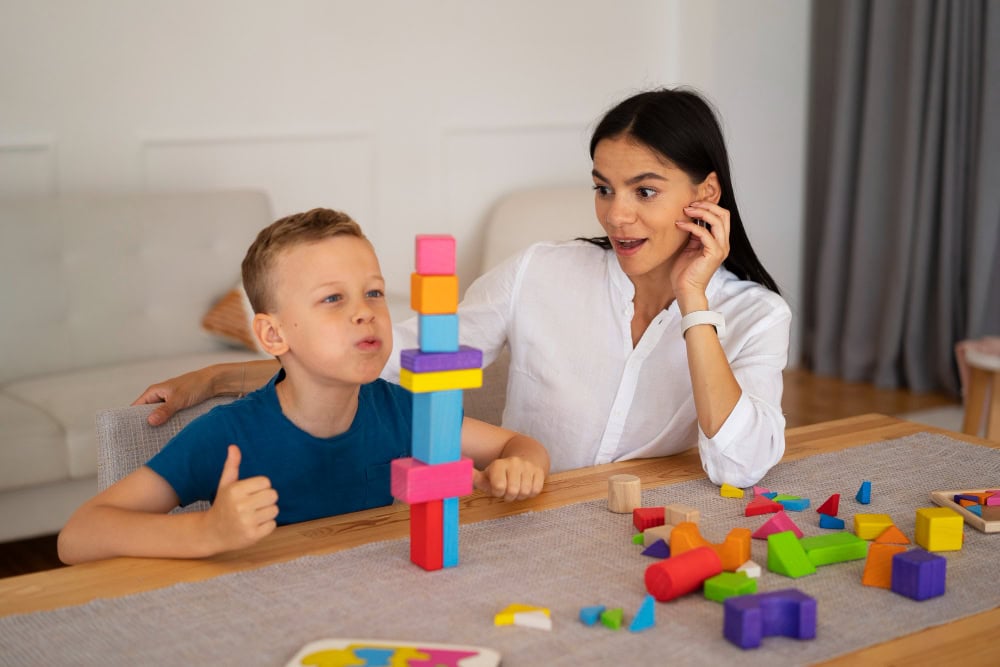
Introduction: The Quiet Power Behind Everyday Progress
If you’ve ever watched your child learn something new—tying a shoe, brushing teeth, saying a new word—you’ve seen science in motion. Learning isn’t random. It’s a beautiful mix of patterns, repetition, connection, and the tiny sparks of motivation that push us forward. Applied Behavior Analysis (ABA) takes that natural learning process and brings structure to it. For families navigating autism, ABA therapy can feel like a roadmap someone finally hands you after driving in circles for a while. You start to see the “why” behind behaviors, the science behind learning, and the small wins that add up to the big ones. This article breaks down the science behind ABA therapy in a warm, down-to-earth way—no jargon, no complicated psychology terms. Just honest explanations, relatable examples, and real insight into why this evidence-based approach has been trusted by families across the country. And along the way, we’ll connect it with the family-centered support offered through trueuaba.com, where ABA therapy is built around understanding each child’s unique strengths and challenges.What Exactly Is ABA Therapy? A Simple Explanation
Let’s start with the heart of ABA: behavior. Not “good” behavior or “bad” behavior—just behavior. The things we say, do, ask, or avoid. The way we respond to situations. The choices we make when something feels tricky or confusing. ABA therapy studies how behavior works in real life. It asks:- What happens before a behavior?
- What happens after a behavior?
- What does the behavior help the child achieve or avoid?
- How can we teach more helpful behaviors that support long-term growth?
The Science Behind ABA: Simple Concepts With Big Impact
ABA is based on decades of scientific research in learning, behavioral psychology, and human development. But don’t worry—we’re keeping it simple. Below are the core principles behind ABA therapy, explained in everyday language.1. Behavior Has a Purpose: There’s Always a “Why”
Every behavior—even the challenging ones—serves a function. It might help a child communicate, escape overwhelm, gain attention, or access something they want. Understanding the “why” means you can respond in a way that’s supportive rather than stressful. Take this tiny example: A child cries when asked to clean up toys. The instinct might be, “They don’t want to listen.” But the science might say: “The task feels big; they need smaller steps and more guidance.” ABA helps decode these moments.2. Behavior Changes When the Environment Changes
ABA works because it doesn’t try to “push” change. It supports change by adjusting expectations, teaching missing skills, and creating routines that help the child succeed. This may include:- Using visual schedules
- Offering clear choices
- Using simple, predictable language
- Changing how tasks are presented
- Modifying sensory input
3. Reinforcement: The Encouragement Behind Learning
Reinforcement is ABA’s quiet superstar. It simply means rewarding or acknowledging behavior you want to see more of. This can be:- A smile
- A break
- Praise
- A favorite activity
- A small reward
4. Breaking Skills Into Small, Doable Steps
Imagine trying to learn to ride a bike with no training wheels, no practice laps, and no one jogging beside you. Overwhelming, right? ABA breaks big skills into small, manageable pieces. For example: Brushing teeth becomes:- Pick up toothbrush
- Turn on water
- Put toothpaste on
- Brush top teeth
- Brush bottom teeth
- Rinse
5. Data-Driven Learning: Tracking Progress the Smart Way
ABA therapists collect data—not because they love charts, but because data shows what’s working. It helps them adjust strategies, identify patterns, and make therapy more effective over time. Parents often appreciate the clarity this brings. Instead of thinking “Maybe this is helping,” you can see the growth happening right in front of you.How ABA Therapy Helps Children With Autism: The Science in Action
Now let’s bring this down to earth with real, everyday examples families see.Building Communication Skills
Some children use words. Some use gestures. Some use AAC devices. Some use pictures. ABA supports all communication styles and focuses on helping children express needs clearly and confidently—because communication reduces frustration and builds independence.Improving Social Understanding
Social situations can feel confusing or unpredictable. ABA teaches children how to:- Understand cues
- Join play
- Take turns
- Build friendships
- Respond to others
Supporting Emotional Regulation
Many difficult behaviors happen when a child feels overwhelmed but doesn’t know how to cope. ABA helps children learn tools like:- Asking for a break
- Using calm-down items
- Navigating transitions
- Expressing big feelings safely
Teaching Daily Living Skills
Independence grows with every new skill learned. ABA helps children master tasks like:- Dressing
- Eating
- Toileting
- Following routines
- Getting ready for school
Increasing Flexibility
Transitions, changes in routine, or unexpected moments can feel tough. ABA helps children practice flexibility in gentle, manageable ways so these moments become less stressful.Common Questions Parents Ask: Simple Answers With Heart
Below are some of the most frequent questions families ask when diving into ABA therapy—answered in a warm, parent-first way.Is ABA therapy scientifically proven?
Yes. ABA is one of the most researched therapies for autism, supported by decades of studies showing improved communication, daily living skills, emotional regulation, and independence.Does ABA work for children who are nonverbal?
Absolutely. ABA doesn’t depend on spoken language. Therapists teach communication in whatever form works best—AAC devices, gestures, sign language, pictures, or emerging vocal skills.What age is best to start ABA therapy?
While starting earlier can accelerate progress, ABA is helpful at any age. It adapts to the child’s developmental level, not their birthdate.Is ABA individualized?
Every ABA program is tailored. Therapists assess skills, preferences, strengths, and challenges to build a personalized plan that grows with the child.Will ABA help reduce meltdowns?
Yes—by teaching communication, coping strategies, and emotional regulation skills. ABA doesn’t suppress feelings; it gives children tools to navigate them.A Helpful Comparison: ABA vs. Other Autism Support Approaches
Here’s a simple table to highlight what makes ABA unique—without overwhelming you with technical details.| Approach | Core Focus | How It Helps Children With Autism |
| ABA Therapy | Learning, behavior patterns, skill development | Builds communication, independence, daily living skills, emotional regulation |
| Speech Therapy | Language & communication | Improves speech sounds, vocabulary, and expressive skills |
| Occupational Therapy | Motor skills & sensory regulation | Helps with sensory needs, coordination, and daily routines |
| Social Skills Training | Peer interaction & social behavior | Strengthens play, communication, and understanding of social cues |
The True Science of ABA: It’s Really About Connection
If you strip away the technical terms, graphs, and textbooks, the science behind ABA comes down to something beautifully simple: Children learn best when they feel understood, supported, and empowered. Science gives ABA the structure. Children give ABA the spark. Families give ABA the meaning. And when these come together, real growth happens—not overnight, but steadily, gently, and confidently.Bringing It Back to trueuaba.com: Support That Meets Your Family Where You Are
ABA therapy isn’t a one-size-fits-all system. It’s a partnership. A learning journey. A space where your child’s strengths matter just as much as their challenges. At trueuaba.com, families find a team that blends science with warmth—using evidence-based ABA tools in ways that feel natural, compassionate, and tailored to the child’s unique needs. Whether your child is learning to communicate, build routines, manage emotions, or just navigate their world with more confidence, True U ABA helps families every step of the way. Because science is important—but connection is powerful.Conclusion: A Clearer Understanding, A Brighter Path Forward
When you understand the science behind ABA therapy, everything becomes a little clearer. Behaviors become communication. Learning becomes predictable. Progress becomes possible. ABA gives children structure. It gives parents clarity. And together, it opens doors to skills, confidence, and independence that last a lifetime. If you’re ready to explore how ABA therapy can support your child’s growth, visit trueuaba.com to learn more and connect with a team committed to helping your child shine—one small, meaningful step at a time.In this article
Have questions about getting started?